Thinking about investing in a Lake District holiday let? The Lakes is one of the UK’s best-loved holiday destinations, and a well-run property can be a rewarding investment.
However, the rules for second homes and holiday lets have changed a lot recently. In this guide, we cover why the Lake District appeals, where to buy, the costs to plan for and what makes a holiday let succeed.
However, the rules for second homes and holiday lets have changed a lot recently. In this guide, we cover why the Lake District appeals, where to buy, the costs to plan for and what makes a holiday let succeed.
Why Invest in a Lake District Holiday Let?
The Lake District draws visitors all year round. According to the Lake District National Park Authority, the National Park welcomed around 18 million visitors in 2022, who spent over £2 billion. It’s also a UNESCO World Heritage Site, which adds to its global appeal.
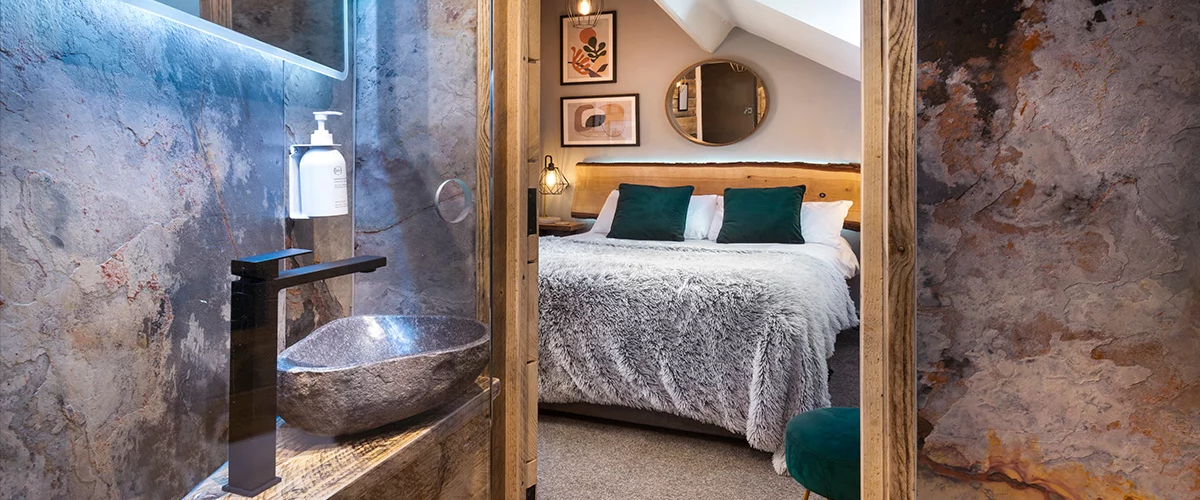
As a result, demand for quality self-catering stays is strong, especially for properties with standout features. For example, hot tubs, lake views and dog-friendly stays are consistently popular.
As a result, demand for quality self-catering stays is strong, especially for properties with standout features. For example, hot tubs, lake views and dog-friendly stays are consistently popular.
Where to Buy a Lake District Holiday Let
Location matters more than almost anything else. Popular bases include Windermere and Bowness, Ambleside, Grasmere, Keswick and Coniston, and each attracts slightly different guests.
• Windermere and Bowness are busy and well connected, with plenty of restaurants and lake activities.
• Ambleside and Grasmere suit walkers and couples looking for classic Lakeland villages.
• Quieter spots near Coniston or the Lyth Valley appeal to guests who want peace and space.
Before you buy, look at nearby competition, parking and how easy the property is to reach. Our guides to the best walks in the Lake District and the best restaurants in the Lake District also show what guests love about each area.
The Costs to Plan For
Buying a Lake District holiday let comes with extra costs, and several have changed recently.
• Stamp duty: since 31 October 2024, second homes pay a 5% surcharge on top of standard rates.
• Business rates or council tax: in England, a holiday let only moves to business rates if it’s available for at least 140 nights and actually let for at least 70 nights a year. Otherwise, it pays council tax as a second home. Westmorland and Furness Council, which covers much of the Lakes, has charged a 100% second homes premium since April 2025.
• Income tax: the Furnished Holiday Lettings tax regime ended in April 2025, so holiday let profits are now taxed much like other rental income.
So, budget carefully and get advice from an accountant before you buy.
Planning Rules in the National Park

Much of the Lake District sits within the National Park, where the National Park Authority handles planning. That can affect extensions, alterations and changes of use.
Therefore, always check what’s allowed before you buy a Lake District holiday let, especially if you plan to convert or extend. Our guide to planning permission for a holiday let explains the basics.
Therefore, always check what’s allowed before you buy a Lake District holiday let, especially if you plan to convert or extend. Our guide to planning permission for a holiday let explains the basics.
What Makes a Lake District Holiday Let Succeed?
The best-performing Lake District holiday lets have a few things in common:
• High-quality interiors and professional photography
• Features guests search for, such as hot tubs, saunas or log burners
• Fast Wi-Fi, comfortable beds and a well-equipped kitchen
• Spotless cleaning and quick replies to guests
• Smart pricing that changes with demand
Our post on the most profitable holiday let features goes into more detail.
Managing Your Investment
Running a Lake District holiday let takes time. Guests need answers fast, changeovers need careful timing, and maintenance can’t wait.
That’s why many owners use a local management company. At Ridgestone, we look after bookings, marketing, guests, cleaning and maintenance for properties across the Lake District. As a result, you get the income without the day-to-day work.
Talk to us about managing your Lake District holiday let.
That’s why many owners use a local management company. At Ridgestone, we look after bookings, marketing, guests, cleaning and maintenance for properties across the Lake District. As a result, you get the income without the day-to-day work.
Talk to us about managing your Lake District holiday let.
Share This Post: